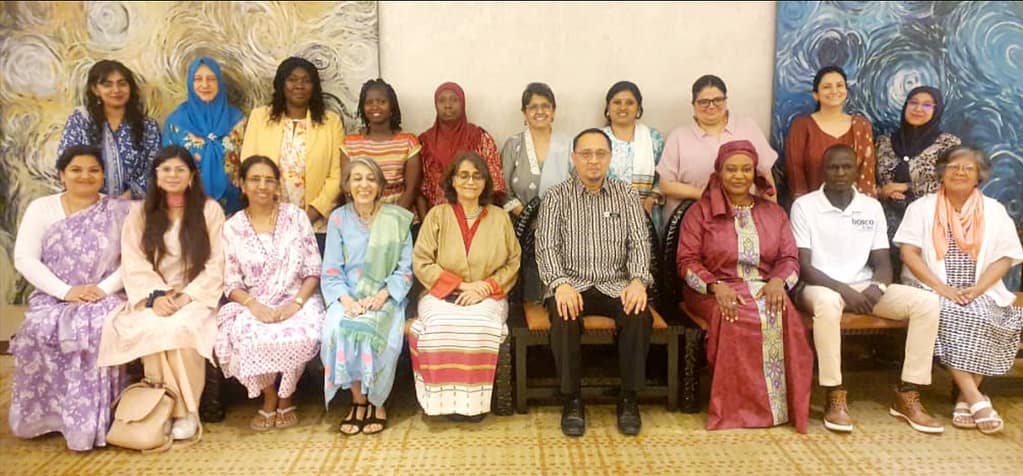
BOSCO Uganda joined education leaders, researchers, policymakers and civil society organisations from six countries at the Commonwealth of Learning (COL) Women in STEM (WiSE) International Workshop held in Kuala Lumpur, Malaysia, from 23–26 June 2026. The workshop brought together participants from Brunei, India, Malaysia, Pakistan, The Gambia and Uganda to exchange research, practical experiences and innovative approaches for increasing women’s participation in science, technology, engineering and mathematics (STEM).
For BOSCO Uganda, the workshop was more than an opportunity to participate in international discussions. It was a chance to share how community-based digital inclusion can create pathways for women and girls who are often left behind by conventional education systems.
One of the strongest messages throughout the workshop was that efforts to increase women’s participation in STEM should not stop at universities.
The workshop highlighted the importance of creating opportunities across multiple learning pathways, including Technical and Vocational Education and Training (TVET), community-based learning and other non-formal education programmes. These approaches recognise that many women and girls develop valuable technical skills outside traditional higher education institutions.
This broader perspective closely reflects BOSCO Uganda’s approach of using technology to reach underserved communities and create practical learning opportunities where they are needed most.
Learning from Different Country Experience
The workshop provided a valuable platform for countries to share research and experiences while identifying challenges that continue to affect women in STEM across different regions.
Research presented from Malaysia showed encouraging progress in education, with 54% of STEM graduates being women, significantly higher than the current global average of 33%. However, participants also learned that higher enrolment does not automatically translate into equal participation in the workforce.
Discussions highlighted challenges such as hiring practices, workplace policies, caring responsibilities and limited retention strategies, which continue to reduce women’s representation in STEM careers. These issues resonated across participating countries, demonstrating that improving access to education is only one part of the solution.
The research also explored why many young women choose STEM fields. Family encouragement, positive role models, aspirations for economic independence and a genuine interest in science and problem-solving were identified as key motivating factors. At the same time, participants recognised that comparatively less attention has been given to retaining women once they enter STEM professions, making workplace retention a shared policy challenge.
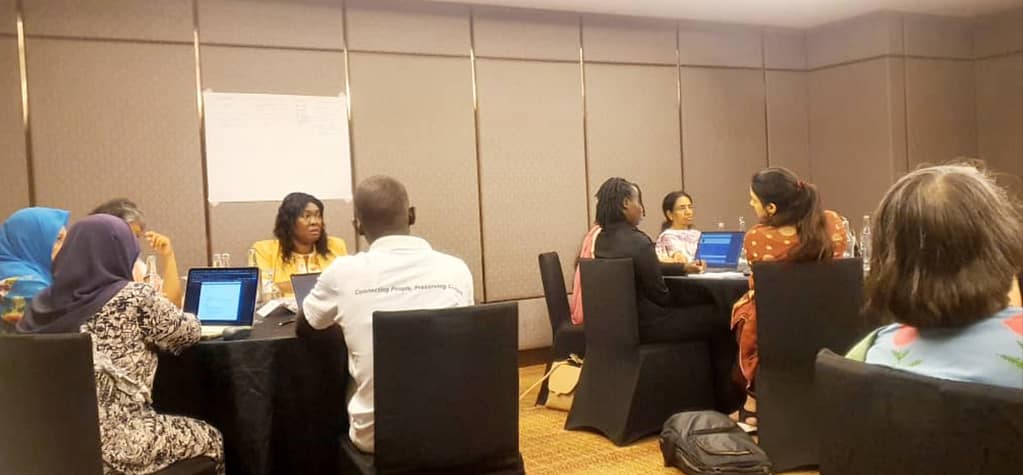
Sharing BOSCO Uganda’s Community Experience
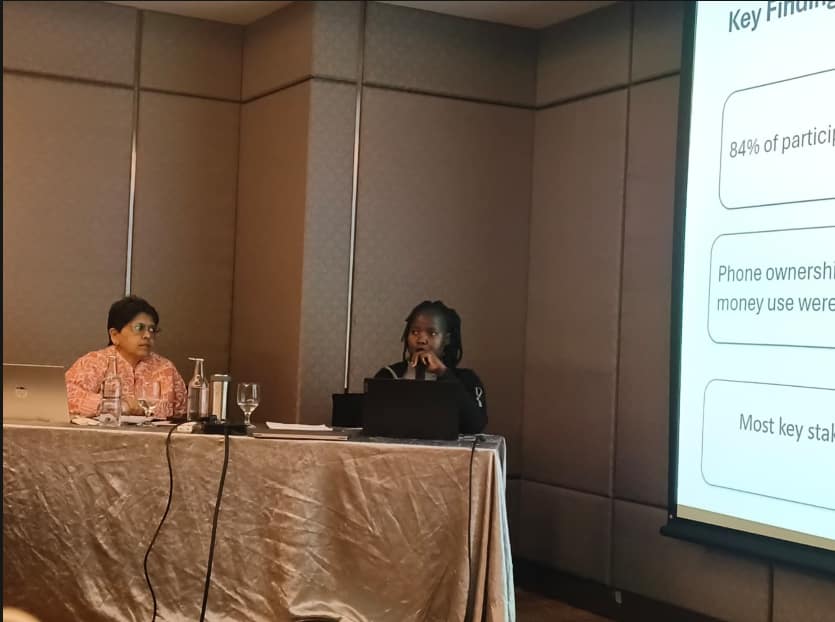
Among the pilot initiatives presented during the workshop, BOSCO Uganda shared findings from its Scoping Study for a Pilot Programme on Sustainable, Women-led Community Networks in Lira and Dokolo Districts in Northern Uganda.
The study explored what digital access for education and training means to marginalised communities and examined how women perceive the opportunities, benefits and barriers associated with digital technologies. It also assessed community readiness for digital learning, existing digital skills, internet access and the feasibility of training young women as community network operators.
The presentation generated discussions on the importance of designing digital learning programmes that respond to local realities and build on existing community strengths. It also demonstrated how community networks can support learning opportunities for young women who are not in education, employment or training.
BOSCO Uganda’s experience complemented presentations from IT for Change in India and Idara-e-Taleem-o-Aagahi (ITA) in Pakistan, highlighting how community-driven approaches can contribute to expanding women’s participation in STEM across different contexts.
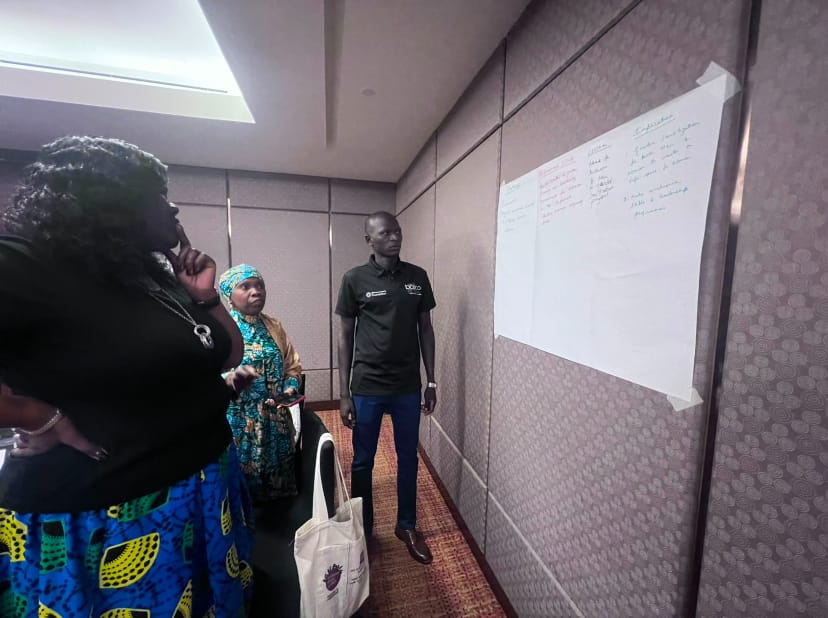
Solomon Okori from BOSCO Uganda sharing with members from different countries.
Learning from Community-Based Solutions
The workshop showcased a range of practical initiatives designed to support women and girls throughout their learning journeys.
Participants learned about The Gambia’s Mentorship, Guidance and Counselling Toolkit, which strengthens mentoring support for girls pursuing STEM education, as well as initiatives that promote STEM teacher development and community-based digital learning.
Panel discussions featuring women leaders, gender experts and advocates provided further insight into the challenges women continue to face in leadership and STEM careers. Their experiences reinforced the importance of mentorship, supportive policies, inclusive workplaces and sustained investment in women’s leadership.
From Dialogue to Action
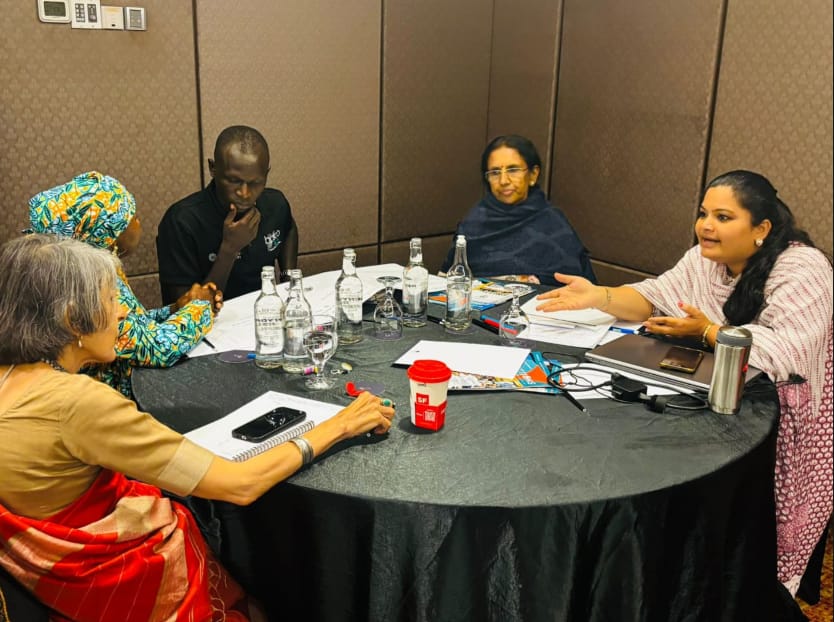
Beyond sharing experiences, the workshop focused on practical collaboration. Participating organisations worked individually and collectively with the Commonwealth of Learning to identify actions that could strengthen women’s participation in STEM through community programmes, TVET institutions and universities. These planning sessions encouraged organisations to build on their existing strengths while identifying opportunities for future collaboration.
One of the workshop’s most significant outcomes was the establishment of a Community of Practice, which will provide an ongoing platform for participating organisations to continue exchanging knowledge, sharing experiences, developing joint initiatives and supporting one another’s work on women in STEM.
A Shared Commitment to the Future
The workshop was officially opened by Professor Mohamed Erfy Ismail from Malaysia’s Ministry of Higher Education, who highlighted national initiatives that support women’s participation in STEM, including university-industry engagement programmes, STEM Connect initiatives and research grant schemes focused on women in STEM.
The workshop concluded with remarks from Prof Dr Zainal Amin bin Ayub the Deputy Director General of Higher Education, Malaysia, who reaffirmed the Ministry’s commitment to advancing women in STEM. He announced that funding has been set aside to support research in this area and expressed the Ministry’s willingness to collaborate with workshop partners on future initiatives. He also acknowledged that important gender gaps remain, noting that only two of Malaysia’s twenty public universities are currently led by women.
Looking Ahead
For BOSCO Uganda, participation in the Women in STEM International Workshop reinforced an important lesson that increasing women’s participation in STEM begins long before university and continues well beyond graduation.
It requires communities that encourage girls to pursue science and technology, practical digital skills that create real opportunities, and partnerships that support women throughout their education and careers.
The workshop also reaffirmed that community-based approaches have an important place within the global STEM agenda. As BOSCO Uganda continues to expand digital inclusion and community network initiatives across Northern Uganda, the knowledge gained, partnerships established and experiences shared during the workshop will help strengthen programmes that create meaningful opportunities for women and girls
Through the newly established Community of Practice, BOSCO Uganda looks forward to continuing to learn from and collaborate with partners across Asia and Africa to advance inclusive, community-driven approaches that enable more women and girls to participate, lead and thrive in STEM.