
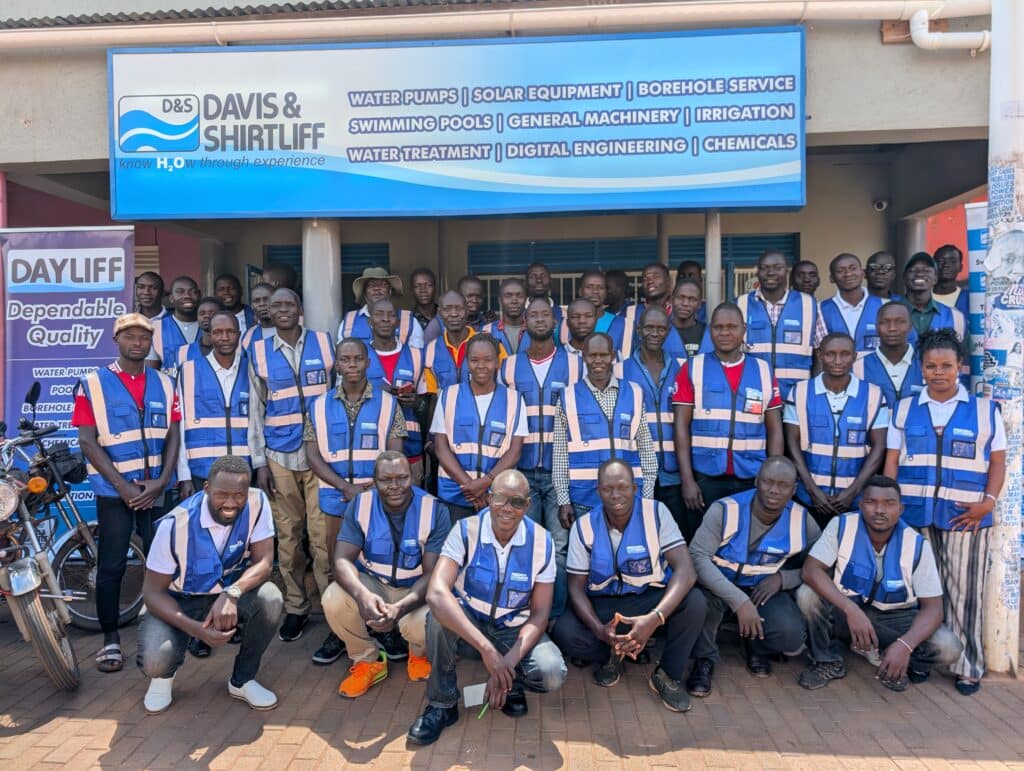
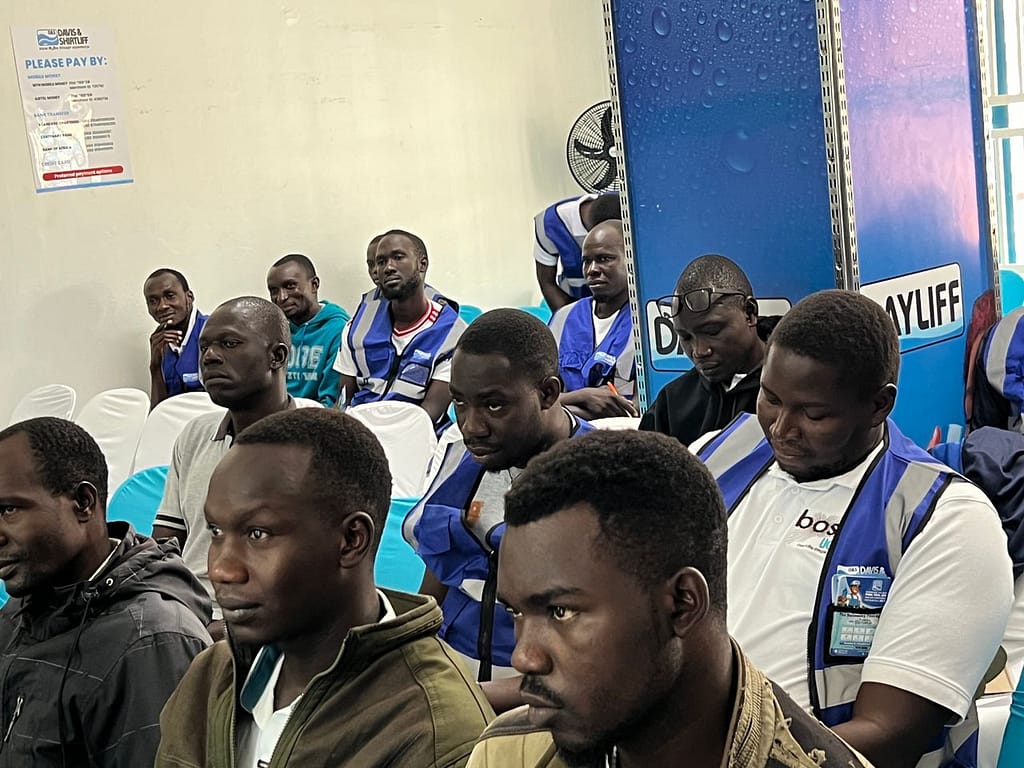
At BOSCO Uganda, our mission has always been to bridge the digital divide in rural communities. However, we know that reliable connectivity is impossible without reliable energy. To ensure we stay at the cutting edge of renewable energy technology, two of our technical staff recently attended an intensive training session hosted by Davis & Shirtliff, a leader in water and energy solutions.
The training was a deep dive into the modern solar landscape, moving beyond the basics to master the high efficiency systems that are defining the industry today.
More Than Just Panels: A broad Look at Solar Solutions
While many view solar primarily through the lens of lighting, the training covered the vast versatility of solar-powered machinery. Our team explored:
- Solar Water Pumping: Robust solutions for irrigation and community water supply.
- Solar Water Heaters: Efficient thermal systems for domestic and institutional use.
- Solar Compressors: Utilizing the sun’s power for industrial applications.
The Main Event: Lithium-Ion & MPPT Technology
The highlight of the session was the shift toward Lithium-Ion (Li-ion) batteries and MPPT (Maximum Power Point Tracking) inverters.
As the market moves away from traditional Lead Acid batteries, our team learned why Lithium is the new standard:
- Longer Lifespan: Lithium batteries can last up to 10 years, compared to 2–3 years for traditional alternatives.
- Faster Charging: They handle high current better, reaching full capacity much quicker.
- Depth of Discharge: You can use nearly 100% of a Lithium battery’s energy without damaging it giving you more reliability.
Complementing this is the MPPT Inverter. Unlike older PWM controllers, MPPT technology acts like an intelligent gearbox, constantly adjusting to extract the maximum possible power from the panels, even in cloudy weather.

Precision Planning: Sizing and Best Practices
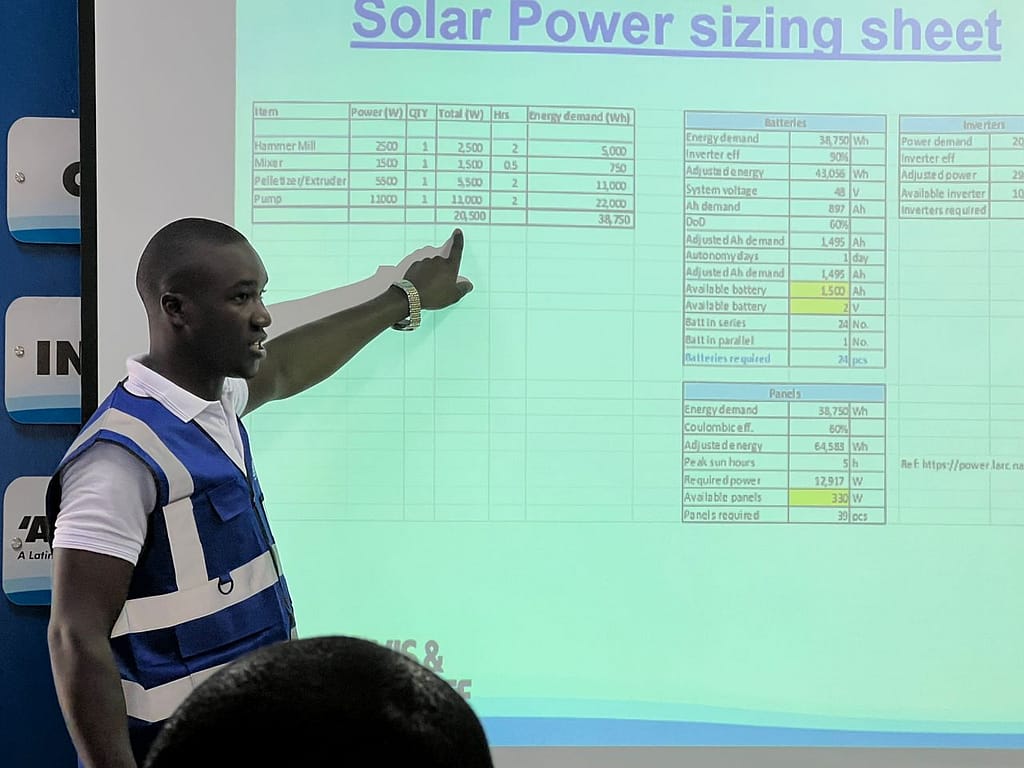
A solar system is only as good as its design. The Davis & Shirtliff experts walked our team through the critical steps of Solar Sizing and Planning.
1. The Load Audit: Everything starts with the electronics. We practiced calculating total “Watt-hours” by looking at what devices are being used (LED lights vs. computers) and exactly how many hours they run.
2. Good Practices: Our team reviewed installation standards from the tilt angle of the panels to ensure maximum sun exposure, to the importance of high quality cabling to prevent energy loss.
3. Future Proofing: Planning for growth so that a community’s energy needs can expand without needing a total system overhaul.
Bringing the Knowledge Home
This training isn’t just about learning; it’s about application. By mastering these new technologies, BOSCO Uganda is better equipped to design, install, and maintain solar systems that are more efficient, longer-lasting, and more cost-effective for the communities we serve.
We want to extend our gratitude to Davis & Shirtliff for their hospitality and expert knowledge. Together, we are keeping Northern Uganda connected and powered.