
Hands-On ICT & Solar Power: My Field Internship at BOSCO Uganda
Studying computer networking and system administration at Gulu University gave me the baseline theory, but joining BOSCO Uganda as a technical support intern put that theory directly into the field. Over the internship, I spent my days troubleshooting network outages, building out solar rigs, and keeping infrastructure alive across rural communities.
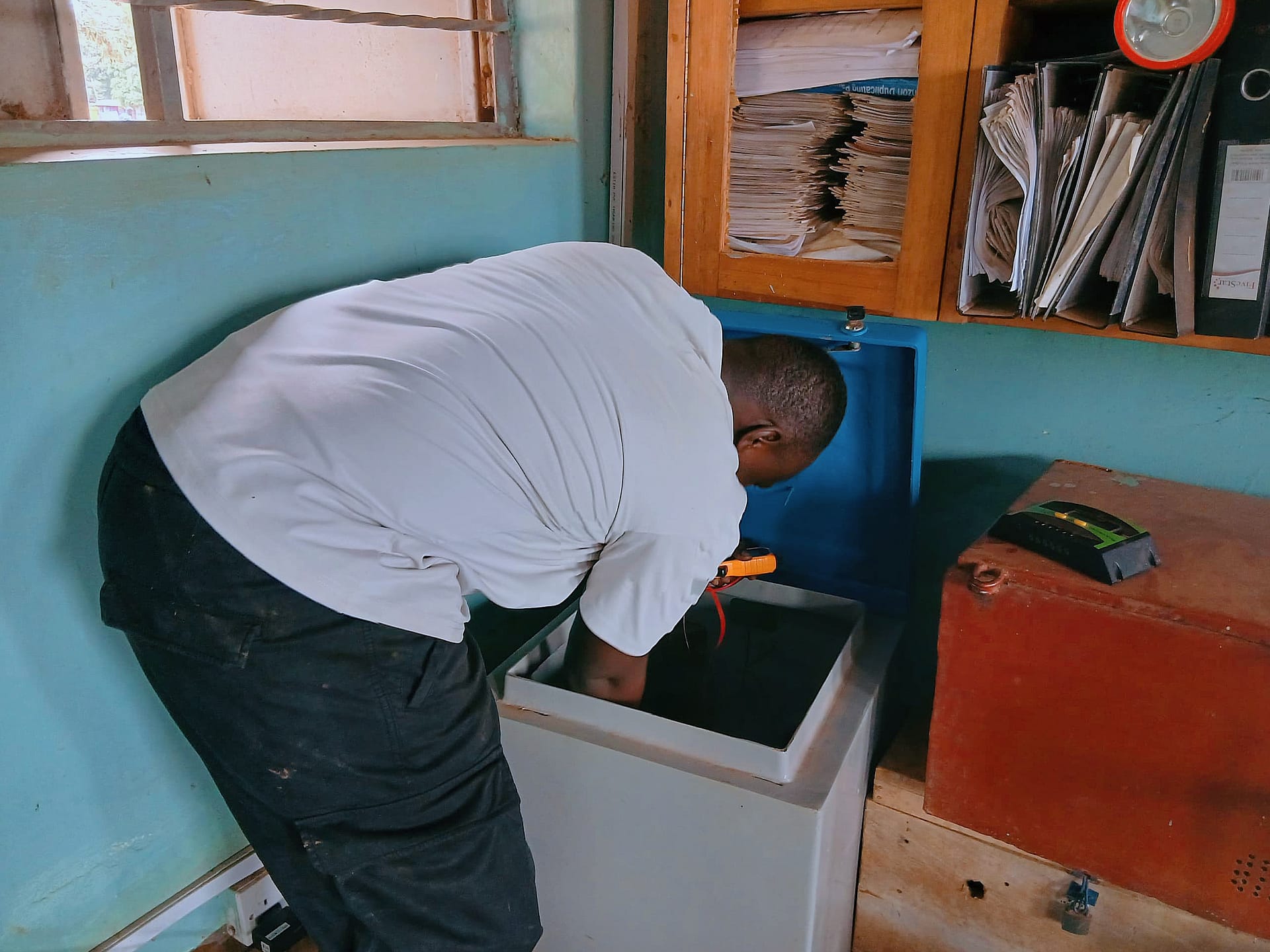
Troubleshooting Network Connections at Radio Pacis
On July 9, 2026, I headed out with the tech team to fix a connection drop at the Radio Pacis transmission site at Minor Seminary Lacor. We needed to verify and restore the link tying the station back to BOSCO Uganda’s core backbone.
We checked the physical hardware, tested gateway connectivity, ran signal diagnostics, and brought the wireless link back up to standard specs. Keeping this hub running was critical—it handles data traffic for surrounding sites like St. John Paul II College Laliya and Lacor Primary School.
Fixing an Off-Grid Solar Lab at Lacor Primary School
That same afternoon, we got a call that Lacor Primary School’s computer lab had gone completely dark right after a heavy rainstorm. We headed over to run diagnostics on their off-grid system:
- Checked panel output: We put a digital multimeter directly on the solar array and confirmed the panels were putting out full voltage.
- Traced the lines: Following the wiring down to the battery bank revealed zero charging current reaching the cells.
- Pinpointed the failure: The issue was an internal hardware failure in the charge controller due to wear and age.
We swapped out the broken controller for a fresh unit, programmed the charge profiles to match the battery bank, and brought power back to the lab so students could get back to class.
Everyday Solar Setup and Maintenance
Because these sites operate entirely off-grid, solid solar setup is essential. My regular work involved:
- Wiring solar panels in series or parallel to hit exact system voltage targets.
- Reading voltage, checking cable continuity, and wiring battery banks in series while verifying correct polarity.
- Hooking up charge controllers and power inverters inside equipment cabinets.
- Running routine preventative checks—cleaning battery terminals, repairing worn cables, and tightening terminal block screws.
Core Skills I Handled in the Field
- Diagnosing network link drops using tools like ping tests and gateway verification.
- Configuring and installing complete solar PV setups (panels, battery banks, controllers, inverters).
- Conducting regular preventive checks on remote power systems and networking hardware.
- Writing up clean fault reports and maintenance documentation.
Getting Lacor Primary back online showed me firsthand that real field work isn’t just about reading network charts—it’s about keeping power flowing where the grid doesn’t reach. I’m taking these skills back to Gulu University with a much sharper understanding of how to build and maintain community networks that actually last.