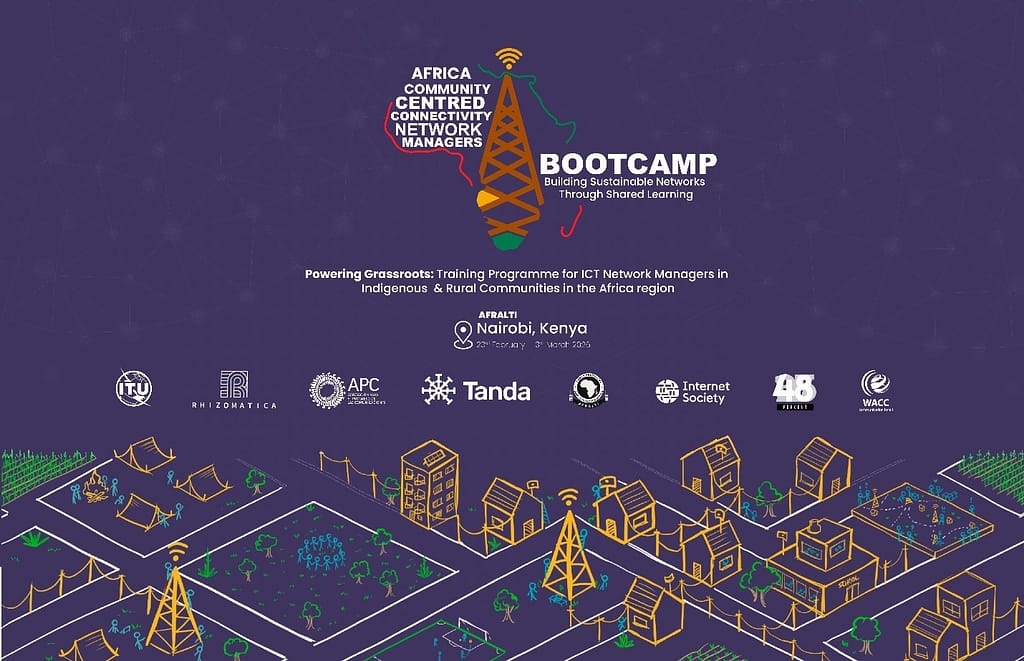
Nairobi, Kenya — Community Network Managers from 19 African countries convened at African Advanced Level Telecommunication Institute (AFRALTI) in Kenya’s vibrant capital for an intensive in-person bootcamp designed to strengthen grassroots connectivity, deepen technical expertise, and accelerate digital inclusion across the continent. The delegates came from Cape Town, South Africa, Gambia, Benin, Ghana, Nigeria, Togo, Malawi, Cameroon, Zimbabwe, Sierra Leon, South Sudan, Somalia, Lesotho, Togo, Mali, Tanzania, DRC Congo, Niger, Uganda and Kenya respectively. Some of the Community networks that also participated included those from Latin America, Costa Rica, USA, Mexico, Brazil, Spain, Pakistan and Indonesia among other countries.
Hosted in Nairobi, the gathering brought together practitioners working at the frontlines of community-led internet access — from rural villages and remote islands to peri-urban settlements often left behind by traditional telecommunications infrastructure.
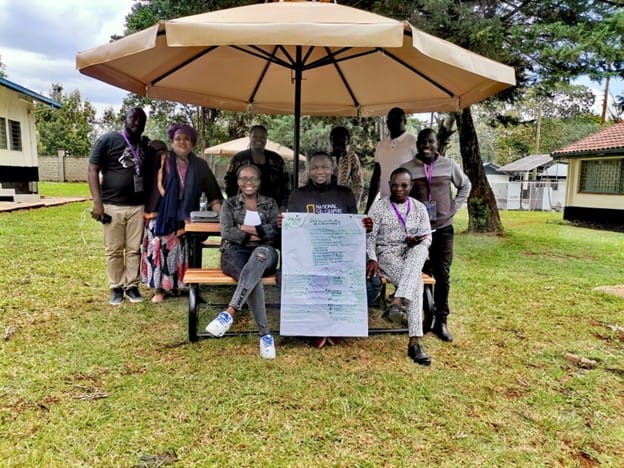
A Photo taken during group work exercise, Nairobi – Kenya
Building Stronger Community Networks Across Africa
Community networks are locally owned and operated communication infrastructures that provide affordable internet and voice services where commercial providers have limited reach or incentives. Across Africa, these networks are bridging the digital divide, supporting education, healthcare, agriculture, local entrepreneurship, and civic participation.
The bootcamp provided a rare opportunity for managers to meet face-to-face, exchange experiences, and collectively address common challenges such as:
- Sustainable business models
- Spectrum access and regulatory compliance
- Infrastructure deployment in hard-to-reach areas
- Cybersecurity and network resilience
- Community engagement and governance
- Gender inclusion in digital spaces
Participants represented countries spanning East, West, Central, and Southern Africa — each bringing unique local realities but sharing a common mission: ensuring that no community remains offline.
Photos taken during group work exercise, Nairobi Kenya
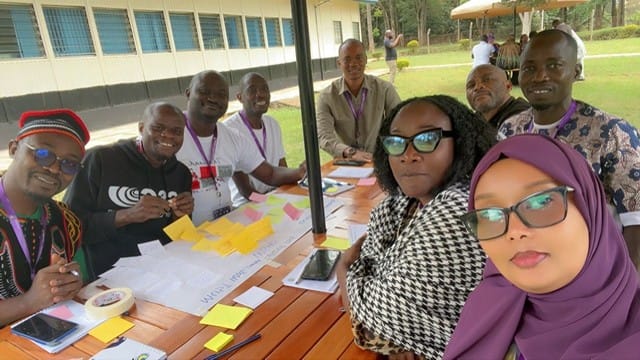
A Practical, Hands-On Learning Experience
Unlike traditional conferences, the bootcamp emphasized applied learning and peer exchange. Sessions included:
Technical Deep Dives
Participants engaged in hands-on labs covering:
- Network design and optimization
- Use of open-source routing solutions
- Renewable energy integration for off-grid connectivity
- Monitoring and troubleshooting tools
Regulatory and Policy Dialogue
Community network managers explored strategies for constructive engagement with regulators and policymakers, focusing on:
- Access to license-exempt and shared spectrum
- Universal service funds
- Enabling regulatory frameworks for community-led connectivity
Sustainability and Financial Planning
Workshops addressed revenue diversification, cost recovery strategies, and community ownership models that ensure long-term viability without compromising affordability.
Strengthening a Continental Movement
The Nairobi bootcamp underscored a growing continental movement toward digital self-determination. As governments across Africa invest in national broadband strategies, community networks are increasingly recognized as complementary partners in achieving universal access goals.
The in-person format allowed participants to move beyond virtual exchanges and build deeper trust, collaboration, and mentorship networks. Informal discussions often extended beyond structured sessions, fostering partnerships that may lead to cross-border knowledge exchange and regional initiatives.
Centering Communities in Connectivity
A core theme of the bootcamp was the importance of community-first design. Participants reflected on how connectivity must respond to local priorities — whether improving market access for farmers, enabling telemedicine in remote clinics, or providing digital learning tools for schools.
Gender equity and youth leadership were also prominent topics. Managers shared strategies for increasing women’s participation in network governance, technical roles, and digital entrepreneurship.
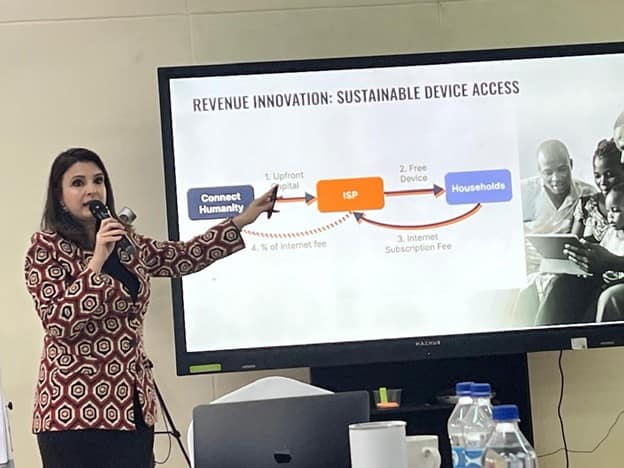
Photo of Nathalia Foditsch-International Programs Coordinator, Connect Humanity.
Several funders graced this in-person bootcamp from Association for Progressive Communications (APC), Internet Society Foundation, International Telecommunication Union (ITU), LOCNET, 48 Percent, Connect Humanity, and Rhizomatica and other smaller Community networks with the full support of Communication Authority of Kenya.
BOSCO Uganda stood out as one of the longest serving Community Network that the Communication Authority of Kenya as represented by Denis Soniya representing the Executive Director of Communication Authority made a reference as a community network from where they benchmarked and fast track their policy frameworks from.
BOSCO Uganda was represented by Daniel Komakech-The Executive Director as a participant in addition to Immaculate Laker-Information Security Officer and Solomon Okot Nono who participated as facilitators and experts in renewable energy deployment for community networks in Africa.
Looking Ahead
As the bootcamp will be concluded on 3rd March,2026, participants will graduate and developed action plans tailored to their local contexts, identifying immediate next steps and long-term goals. A shared commitment emerged: to maintain collaboration beyond the gathering and continue building a resilient, inclusive, and community-driven digital ecosystem across Africa.
With renewed skills, stronger networks of support, and a shared vision for digital equity, Community Network Managers left Nairobi energized and prepared to expand connectivity where it is needed most.
